For most buyers, the down payment gets all the attention.
It makes sense, it's usually the biggest number you'll save for, the one you'll talk about with your mortgage broker, and the milestone that makes buying a home finally feel within reach.
But once your offer is accepted, there are a handful of other expenses that start showing up.
None of them are particularly surprising on their own. It's just that many buyers don't realize how quickly they can add up.
The good news? A little planning now can help you avoid a lot of stress later.
Closing Costs
Buying a home comes with expenses beyond the purchase price.
As a general rule of thumb, it's a good idea to budget up to 3% of your home's purchase price for closing costs. Depending on your situation, these can include legal fees, land transfer costs (where applicable), title insurance, home inspections, and adjustments for property taxes or utilities.
These costs are a normal part of buying a home, but they're often forgotten because they're not as visible as the down payment.
Property Taxes & Monthly Expenses
Your monthly housing costs don't stop at your mortgage payment.
Property taxes, home insurance, utilities, internet, and routine maintenance all become part of your regular budget. And if you're moving from a rental where many of those expenses were included, the adjustment can be bigger than expected.
Before buying, it's worth looking at the full monthly picture, not just what the mortgage payment will be.
Moving Isn't Free
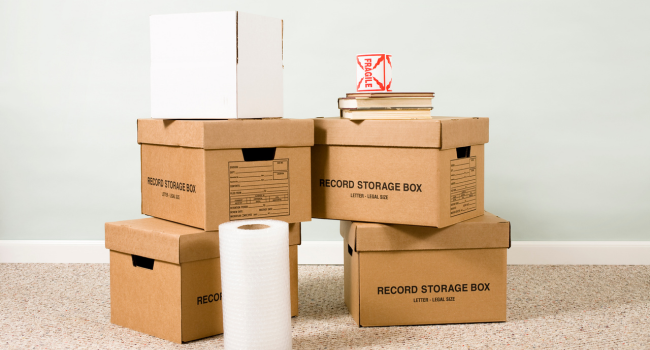
Whether you're hiring professional movers or calling in family and friends, moving comes with costs.
Boxes, packing supplies, truck rentals, fuel, storage, takeout on moving day... it all adds up.
It's not usually enough to derail your budget, but it's worth planning for so it doesn't become an unexpected expense.
Plan for the Unexpected
No home is completely maintenance-free.
Maybe the hot water tank lasts another ten years. Maybe it doesn't.
Owning a home means accepting that eventually something will need attention. Having a small emergency fund set aside can make those moments feel like inconveniences instead of emergencies.
Even putting aside a little each month can give you peace of mind.
Leave Room to Enjoy Your New Home
One of the best pieces of advice I can give buyers is this:
Just because you're approved for a certain amount doesn't mean you have to spend it.
Buying at the very top of your budget can leave little room for life's surprises, or even the fun things, like furnishing your new home, taking a vacation, or simply enjoying your weekends without worrying about every dollar.
Sometimes buying comfortably is actually the smarter move. It gives you flexibility, confidence, and room to enjoy this new chapter instead of feeling stretched by it.
Looking Beyond the Purchase Price
Buying a home is about more than qualifying for a mortgage, it's about building a life that feels sustainable long after possession day.
When you plan for the costs that come after the purchase, you set yourself up to enjoy homeownership with fewer surprises and a lot more confidence.
If you're thinking about buying and want a realistic picture of what to budget for beyond the down payment, I'd be happy to walk you through the numbers and help you plan for the full cost of homeownership, not just the purchase price.