It’s funny how rarely people fall in love with just the house.
Of course the layout matters. The kitchen matters. The backyard, the extra bedroom, the finished basement — all important.
But when buyers really start picturing themselves somewhere long-term, it’s usually the neighbourhood that seals it.
It’s the feeling they get driving down the street. The way people wave while walking their dogs. The coffee shop they accidentally stop at twice in one week because they already feel comfortable there.
That’s the part people remember. Because “home” is rarely just about the property itself.
Some People Want Energy. Others Want Quiet.
One of the things I always remind buyers is that the “right” neighbourhood looks completely different depending on the person.
Some people want walkability and movement. They want to be able to grab coffee, walk to dinner, or stroll through local shops on a Saturday morning. Neighbourhoods like Osborne Village, Corydon, Crescentwood, and Lord Roberts tend to attract buyers looking for that kind of lifestyle.
Others want the opposite.
Quiet streets. Less traffic. Space between homes. A slower pace. Areas like Charleswood, River Park South, or Linden Woods often appeal to buyers who want things to feel a little calmer and more tucked away.
Neither is better. It just depends on how you want your everyday life to feel.
The Little Things Start to Matter
When people first start house hunting, they usually focus on the home itself. But after a while, the questions start to shift.
Where will we walk the dog?
How far is the grocery store?
What’s the commute actually like in winter?
Are there parks nearby?
Can the kids bike around safely?
That’s when buyers stop shopping for a house and start thinking about lifestyle. And honestly, those little day-to-day details are often what end up mattering most long term.
Community Changes Everything
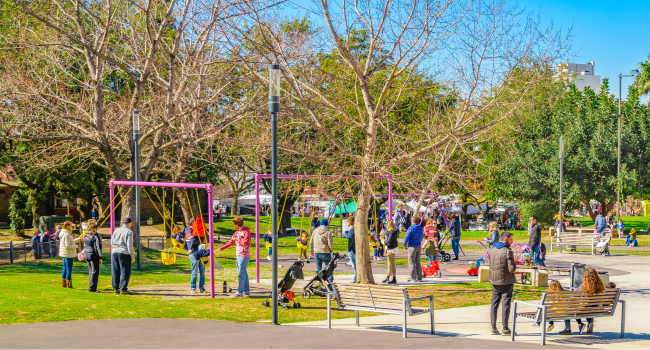
Some neighbourhoods just feel connected. You see people outside. Kids playing at parks. Neighbours chatting on front steps. Local events that bring people together.
And especially in Winnipeg, where community runs deep, that feeling matters.
For some buyers, being close to schools and community centres is the priority. For others, it’s access to trails, restaurants, or nearby green space like Assiniboine Forest or The Forks.
There’s no universal checklist for what makes a neighbourhood feel like home because it’s personal. What feels perfect to one person might feel completely wrong to someone else.
You Can Usually Feel It Pretty Quickly
Most buyers can tell fairly quickly when a neighbourhood feels right. It’s hard to explain logically, but it happens all the time.
They relax a little. They linger after the showing. They start talking about where furniture would go or what their routine would look like there.
That emotional connection matters just as much as square footage and price points do. Because at the end of the day, you’re not just buying where you’ll sleep. You’re choosing where your life happens.
Looking Beyond the Listing
The best way to get a feel for a neighbourhood is to actually spend time in it. Walk around. Grab a coffee nearby. Visit the park. Drive the commute route. Sit for a minute and notice how the area feels.
Sometimes the perfect house ends up being in the wrong neighbourhood.
And sometimes the right neighbourhood makes an ordinary house feel exactly right.
If you’re starting to explore different areas of Winnipeg and want help figuring out which neighbourhoods might best fit your lifestyle, I’d be happy to help guide you through it. Because finding the right home is important, but finding the right place to build your life matters just as much.