RSS

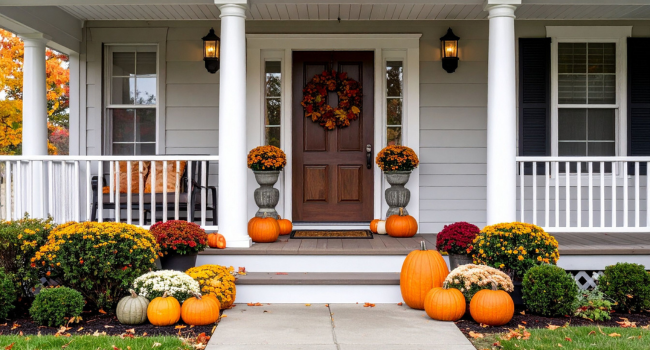
Preparing Your Yard Before Winter Starts

Fall yard work in Winnipeg is always a bit of a race against the clock.

One weekend you're raking leaves in a sweater, and the next you're looking out the window at the first snowfall wondering why the garden hose is still attached to the house.

Taking a little time to prepare your yard before the ground freezes can make a big difference in how your lawn, gardens, and landscaping come through a Manitoba winter, and how much work you're facing when everything starts growing again next spring.


Give Your Perennials a Little Attention

Not everything in the garden needs to be cut back the minute temperatures drop.

Remove diseased or damaged plant material, but consider leaving some healthy perennial stems and seed heads standing over winter. They can provide food and shelter for birds and beneficial insects while also adding a little interest to an otherwise very snowy yard.

For plants that do benefit from being cut back, wait until they've finished for the season and follow the care recommendations for that particular variety. A layer of mulch around more vulnerable perennials can also help protect roots from Winnipeg's freeze-thaw cycles and extreme cold.


Clean Up, But Don't Overdo It

Fall garden cleanup doesn't need to mean stripping every bed completely bare.

Remove weeds before they have a chance to spread more seeds, clean up diseased leaves and plants, and clear away anything that could encourage pests or disease. Healthy leaves can often be mulched into the lawn or added to compost rather than bagged.

It's less about making the yard perfectly tidy and more about setting it up for a healthy start next year.


Give Your Lawn a Head Start on Spring

Your grass may be slowing down, but there's still work happening below the surface.

Fall can be a good time to aerate compacted lawns and overseed thin areas while temperatures are cooler. Depending on your lawn and soil conditions, a fall fertilizer formulated for the season may also help support root development before winter dormancy.

Keep mowing while the grass is actively growing, gradually lowering the height as the season winds down rather than giving it one dramatic final haircut.

Protect Trees & Shrubs

Winnipeg winters aren't particularly gentle on landscaping.

Young trees and vulnerable shrubs may benefit from protection against wind, heavy snow, hungry rabbits, and other winter damage. Tree guards, appropriate wraps, or burlap barriers can help depending on the plant and where it's located.

This is also a good time to remove dead or damaged branches, but save major pruning for the season recommended for that particular tree or shrub.


Drain the Water Before the Freeze

This is one job you definitely don't want to remember after the first hard freeze.

Disconnect and drain garden hoses, empty watering cans, and shut off exterior water lines where applicable. Store hoses somewhere protected so they're ready to use again next spring.

If you have an underground irrigation system, make sure it's properly winterized according to the system's requirements before freezing temperatures arrive.

Don't forget about rain barrels, fountains, and other outdoor water features either. Anything that can hold water needs some attention before a Winnipeg winter.


Pack Away Summer

Once you're finished with the yard itself, give your outdoor tools and equipment a little attention before putting them away.

Clean gardening tools, empty and store planters that aren't winter-safe, put away cushions and outdoor fabrics, and follow the manufacturer's recommendations for storing lawn equipment.

You'll be very happy you did when that first warm weekend arrives next spring and everything is clean, organized, and ready to go.


A Little Fall Work Makes Spring Much Easier

You don't need to spend every weekend in October working in the yard.

Pick a nice afternoon, tackle the important jobs first, and work your way through the rest as the season changes.

Winnipeg winter will arrive when it's ready, it always does. Getting your yard prepared ahead of time means you can enjoy that first snowfall from inside instead of suddenly remembering the hose that's still attached to the house.


Read

Why Fall Can Be One of the Best Times to Explore Neighbourhoods

House hunting usually means spending a lot of time looking inside homes.

But you’re also buying everything outside the front door.

The morning commute. The park down the street. The coffee shop you’ll stop at on Saturday mornings. The route you’ll walk with the dog. The community centre your kids might practically live at once hockey season starts.

And while you can explore a Winnipeg neighbourhood any time of year, fall gives you a particularly good glimpse of what everyday life there actually looks like.


See What the School-Year Routine Looks Like

By fall, summer holidays are over and Winnipeg neighbourhoods are back to their regular rhythm.

If schools are important to your move, visit the area around morning drop-off or afternoon pickup. You’ll get a much better idea of how busy the streets become, where families are walking from, and what traffic looks like when school is actually in session.

Even if you don’t have kids, this is useful information. A quiet street at noon on a Saturday might feel very different at 8:30 on a Tuesday morning.


Test the Commute Before You Commit to It

A 20-minute drive according to your phone isn’t necessarily a 20-minute drive during Winnipeg rush hour.

If you’re seriously considering a neighbourhood, try your potential commute at the time you’d actually be making it. Pay attention to major intersections, school zones, construction routes, transit options, and how easily you can get to the places you visit regularly.

The extra ten minutes spent testing the drive now might tell you more than another hour scrolling through listings.


Get Out of the Car

One of the best ways to experience a neighbourhood is also the simplest: walk around it.

Fall is perfect for this. Take a stroll through the residential streets, walk a nearby trail, visit the park, or bring the dog along and see where your everyday route might take you.

You’ll notice things you simply won’t see while driving from one showing to another, how much traffic there is, whether people are outside, how properties are maintained, and whether the area generally feels like somewhere you'd enjoy spending time.

Do Something You'd Actually Do If You Lived There

This is where neighbourhood research can be a little more fun.

Instead of immediately driving home after a showing, grab coffee nearby. Stop at the local bakery. Check out the grocery store you’d probably use. Visit the community centre or take the kids to a nearby playground.

You’re not just checking whether amenities exist on a map. You’re figuring out whether you actually like using them.


Pay Attention to Community Life

Fall also brings neighbourhoods back to life in a different way.

Community centres are busy again, sports are starting, schools are hosting activities, and local fall events begin popping up around the city. Take a look at the community centre calendar, neighbourhood social pages, or local events to see what actually happens in the area throughout the year.

For some buyers, an active community is a huge part of feeling at home. Others prefer somewhere quieter. Neither is right or wrong, but it's helpful to know which you're getting.


Try Before You Buy

You can learn a lot about a neighbourhood from a map, a listing, or a quick drive through it.

But you learn much more by spending an hour pretending you already live there.

Take the commute. Walk the dog. Grab the coffee. Visit the park. Drive through at different times of day.

The house itself is obviously important, but once possession day is over, the neighbourhood becomes part of your everyday life too.

And fall just happens to be a pretty great time to see what that life might actually look like.

Read

Why Some Homes Sell Faster Than Others

Two homes can hit the Winnipeg market around the same time, in similar neighbourhoods and at similar price points.

One has a busy first weekend, plenty of showings, and an offer shortly after.

The other sits.

It’s easy to assume the difference comes down to price, and sometimes it does. But there’s a lot more happening behind the scenes.

From how a home looks online to what buyers experience when they walk through the door, several factors can influence how quickly a property gets noticed, and ultimately sells.


It Starts Before the Listing Goes Live

How a home is presented can make a significant difference.

That doesn’t mean renovating every room or staging your home until it no longer feels like yours. It means taking the time to declutter, clean, make small repairs, and arrange the space so buyers can easily understand how each room works.

Buyers are generally pretty good at looking past cosmetic things they can change. What’s harder to overlook is a home that feels like it hasn’t been cared for.

A well-maintained home gives buyers confidence before they’ve even started thinking about paint colours or furniture placement.


Your First Showing Happens Online

Long before a buyer walks through your front door, they’ve probably already toured your home from their phone.

Professional photography matters because those first few images often determine whether someone keeps scrolling through the listing or moves on to the next one. Good lighting, thoughtful angles, and a strong selection of photos can make rooms easier to understand and highlight the features buyers are most likely to care about.

But photos are only one part of the equation. The listing description, video, social media, and overall marketing should work together to tell buyers why this particular home deserves their attention.

Good marketing doesn’t just put a home online. It gives people a reason to come see it.


Condition Changes the Conversation

Not every home needs to be move-in ready, and there’s a buyer for almost every type of property.

But condition can affect how quickly buyers make decisions.

A home with an older kitchen that’s clean and well maintained may feel completely different from one with unfinished repairs throughout. Similarly, a fixer-upper can attract plenty of attention when buyers understand the opportunity and know what they’re walking into.

The important part is presenting the home honestly and making its strengths easy to see.

Timing Can Make a Difference

Real estate activity naturally shifts throughout the year in Winnipeg.

Spring often brings plenty of buyers, but it can also bring more listings competing for their attention. Summer schedules, back-to-school season, holidays, weather, and even what else happens to be listed that particular week can influence showing activity.

There isn’t one magical day or month when every home should be listed. Timing works best when it considers both the current market and the seller’s individual situation.


Sometimes It Comes Down to Buyer Demand

This is the factor sellers have the least control over.

Certain types of homes may simply have more buyers looking for them at a particular moment. A well-kept starter home in one neighbourhood might have a large pool of interested buyers, while a unique property at a higher price point naturally has a smaller audience.

That doesn’t make one home better than the other. It just means the strategy may need to be different.

Understanding who is most likely to buy your home helps shape everything from presentation and marketing to timing.


Creating the Strongest First Impression

Homes that sell quickly usually don’t have one secret ingredient. It’s often several things working together.

The home shows well. The photos catch attention. The marketing reaches the right people. The timing makes sense. Buyers understand what the property offers.

You can’t control every part of the market, but you can control how prepared your home is when it enters it.

If you’re thinking about selling, having a strategy in place before the listing goes live can make a much bigger difference than trying to figure it out once the sign is already on the lawn.

Read

The Difference Between a House You Like and a House That's Right for You

It happens all the time when you're house hunting.

You walk into a beautiful home and immediately start picturing your furniture in the living room. The kitchen is exactly your style. The backyard is gorgeous. Maybe it even has that one feature you've been saving on Pinterest for the last three years.

You really, really like it.

But liking a house and finding the right house aren't always the same thing.

Sometimes the homes that grab your attention aren't necessarily the ones that make the most sense for the life you actually live.


Think About a Regular Tuesday

It's easy to picture holidays, backyard parties, and cozy Sunday mornings when you're walking through a home. But what does an ordinary Tuesday look like there?

How long is your commute? Where will you grab groceries on the way home? If you have a dog, where will you walk them? If the kids have activities three nights a week, how much driving does that add?

A home can check every box inside and still make everyday life more complicated than you want it to be.


Be Realistic About Maintenance

That huge backyard might be incredible in July, but are you excited to mow it every week? A character home might have all the charm you've dreamed about, but are you comfortable with the maintenance that can come with an older property?

Neither is a reason to walk away. It's simply about knowing yourself.

Some buyers genuinely enjoy home projects, gardening, and spending weekends puttering around the house. Others would much rather lock the door and head to the lake for the weekend.

The right home should fit the amount of time and energy you actually want to give it.


Think Beyond Right Now

You don't need to plan your entire life around a house, but it helps to think a few years ahead.

Maybe you're hoping to start or grow your family. Perhaps working from home could become permanent. You might have parents who will eventually need more support, or you're already thinking about whether you'll still want all those stairs ten years from now.

You can't predict everything, and you shouldn't try. But thinking about where your life might be heading can help you avoid buying a home you've already outgrown before you've finished unpacking.

Don't Let the House Stretch the Budget Too Far

It's very easy to justify spending a little more when you've fallen in love with a property.

But your life doesn't stop costing money once you buy a house.

You still want dinners out, vacations, kids' activities, hobbies, savings, and enough breathing room for the furnace that inevitably decides it has terrible timing.

A house that's technically within your approved mortgage amount isn't necessarily comfortably within your budget. Sometimes choosing the slightly less impressive home means having a lot more freedom once you're living in it.


The Right House Might Surprise You

Some buyers start their search with a very specific picture of what they want and end up buying something completely different.

That's not necessarily because they compromised.

It's often because they learned what actually mattered to them.

After seeing a few homes, priorities start shifting. The giant kitchen becomes less important than the shorter commute. The extra bedroom matters less than the backyard. The neighbourhood you hadn't considered suddenly feels exactly right.

That's part of the process.

The goal isn't to find the house that gets the biggest reaction when you first walk through the door. It's to find the one that still makes sense when you picture yourself living there on an ordinary Tuesday, a busy Saturday, and a freezing Winnipeg morning in February.

That's usually when a house you like starts feeling like a home that's actually right for you.

Read

Does Back-to-School Season Affect the Winnipeg Real Estate Market?

September changes the rhythm of just about everything in Winnipeg.

Summer holidays wrap up, school calendars take over the fridge again, extracurriculars start, and families settle back into their regular routines. But does that shift affect the real estate market too?

It can, especially when it comes to why people are moving and how quickly they want that move to happen.


Why Families Often Aim for a Summer Move

For families with school-aged children, the appeal of moving before September is pretty obvious. Buying in the spring or early summer can give them time to take possession, unpack, figure out the new route to school, and settle into the neighbourhood before classes begin.

School catchments can also play a big role in where families choose to buy. When a particular school or division is important, the home search may be focused on a fairly small geographic area, which can make competition for certain properties very different from what we're seeing elsewhere in Winnipeg.

Of course, life doesn't always cooperate with the school calendar. Plenty of families move during the school year, and September certainly doesn't mark the end of Winnipeg's real estate market.


What Happens Once School Starts?

Once September arrives, some of the urgency from summer family buyers can ease. But another group of buyers is often just getting back into their search.

Summer vacations are over, routines return, and buyers who put house hunting on the back burner for July and August may start paying attention again. There are also first-time buyers, downsizers, investors, relocating buyers, and plenty of people whose moving decisions have absolutely nothing to do with the school year.

In other words, the type of activity may shift, but buyers don't simply disappear once the first school bell rings.


What About Inventory?

Inventory can change throughout the year, but there's no guarantee that September will automatically mean significantly more, or fewer, homes to choose from.

Some sellers intentionally wait until after summer to list. Others need to sell because they've purchased another property, are relocating, downsizing, or simply decided the timing is right.

For buyers, this is a good reminder not to assume you've missed your opportunity because spring is over. Great homes come to market all year long.

Is September Still a Good Time to Buy?

It certainly can be.

Depending on what's happening in your particular price range and neighbourhood, you may find fewer buyers competing than you would have during the busiest parts of spring. Sellers who listed earlier in the summer may also have different motivations than someone who just came to market.

But rather than trying to time the entire Winnipeg market, I always recommend looking at what's happening in the part of the market you're actually shopping in. A $350,000 starter home can be experiencing very different conditions than a $700,000 family home at exactly the same time.


And What If You're Thinking About Selling?

September can be a great time to list too.

The weather is still pleasant, yards haven't disappeared under the snow, and buyers who want to be settled before winter or the holidays still have time to make that happen.

Your home's location and likely buyer also matter. If you're selling a family home near a sought-after school, for example, your timing considerations may look different from someone selling a condo, an investment property, or a bungalow that could appeal to downsizers.

That's why selling strategy should be based on your particular home rather than a blanket rule about the "best" month to list.


You Really Don't Have to Wait Until Spring

Spring gets a lot of attention in real estate, but it's certainly not the only time people buy and sell homes in Winnipeg.

Jobs change. Families grow. People retire, relocate, downsize, separate households, combine households, or simply find a home they love. None of those things conveniently happen between April and June.

Back-to-school season may change the pace of the market, but it doesn't put it on hold.

If you've been thinking about buying or selling this fall, the better question isn't necessarily, "Should I wait until spring?" It's, "What does the market look like for the type of home I'm buying or selling right now?"

That's a much more useful place to start.

Read

Why Buyers Love Move-In Ready Homes (But Don't Expect Perfection)

Scroll through any real estate website and you'll notice one phrase comes up again and again: move-in ready.

It's a feature many buyers are searching for, but it doesn't always mean what people think it does.

A move-in ready home doesn't have to be brand new, recently renovated, or look like it belongs in a design magazine. In fact, most buyers aren't expecting perfection. What they're really hoping to find is a home that feels clean, well cared for, and ready for them to start their next chapter.


Cleanliness Makes a Bigger Impression Than You Think

One of the quickest ways to make a home feel move-in ready has nothing to do with renovations.

A clean home simply feels cared for. Sparkling bathrooms, clean floors, streak-free windows, and clutter-free surfaces help buyers focus on the home itself instead of wondering what projects might be hiding beneath the surface.

When buyers walk into a home that feels fresh and well maintained, they're often more confident that it's been looked after over the years.


Small Repairs Go a Long Way

It's easy to put off little jobs around the house because you stop noticing them after a while.

A dripping faucet, loose cabinet handle, squeaky door, cracked light switch, or chipped paint might seem insignificant on their own, but together they can leave buyers wondering what other maintenance has been deferred.

Taking care of these small repairs before listing doesn't cost much, but it sends a strong message that the home has been cared for.


Fresh Paint Still Works Wonders

Fresh paint continues to be one of the most cost-effective updates you can make before selling.

That doesn't mean every room has to be painted white or grey. Neutral simply means choosing colours that allow buyers to picture themselves living there without being distracted by bold or highly personal design choices.

Soft whites, warm beiges, gentle greys, and muted earth tones help brighten a space while still allowing the home to have personality.

Buyers Can Look Past Cosmetic Details

One thing surprises many sellers: buyers are often willing to overlook cosmetic imperfections when the home feels solid and well maintained.

Older kitchens, original bathrooms, or flooring that isn't the latest trend don't automatically scare buyers away. If the home has been cared for, major systems have been maintained, and everything feels clean and functional, many buyers see those cosmetic updates as projects they can tackle over time.

What tends to concern buyers more are signs of neglected maintenance, not finishes that are simply a little dated.


It's About Confidence, Not Perfection

The homes that leave the strongest impression aren't always the newest or the most expensive.

They're the ones where buyers walk in and feel like someone has genuinely cared for the property. The furnace has been serviced. The windows are clean. The doors close properly. The little maintenance jobs have been looked after.

That gives buyers confidence, and confidence is often what turns a showing into an offer.

At the end of the day, move-in ready isn't about creating a perfect home. It's about helping buyers feel like they can unpack their boxes, settle in, and enjoy the space from day one.

Read

What Homeowners Should Tackle Before Fall Arrives

Late summer has a funny way of making us think we have more time than we do.

The days are warm, the evenings are long, and winter still feels a long way off. But in Winnipeg, we all know how quickly the seasons can change. One minute you're enjoying patio weather, and the next you're digging out your fall jacket.

That's why late summer is one of the best times to knock a few maintenance items off your list. A little work now can help prevent bigger headaches once the snow flies.


Give Your Heating System Some Attention

The last thing anyone wants is to discover their furnace isn't working on the first cold morning of the season.

Scheduling a furnace inspection or servicing in late summer means you're less likely to be competing for appointments once everyone else realizes they need heat. It's also a good opportunity to replace your furnace filter and make sure your thermostat is working properly before temperatures start to drop.

If you have central air conditioning, don't forget about it either. Clear away any weeds or debris around the outdoor unit, and once you're finished using it for the season, follow your manufacturer's recommendations for winterizing or protecting it.


Check Your Gutters and Drainage

Autumn leaves haven't started falling yet, which makes late summer the perfect time to check your gutters and downspouts.

Clear out any debris that's already collected and make sure downspouts are directing water away from your foundation. While you're outside, take a walk around your home after a rainfall if you can. If water is pooling near the foundation or your yard isn't draining properly, now is the time to address it before freeze-thaw cycles arrive.

In Winnipeg, where spring melt can put extra stress on foundations, proper drainage is one of the best investments you can make in your home.


Walk Around Your Home

Take 20 minutes and look at your home the way you would if you were seeing it for the first time.

Check for cracked or missing exterior caulking around windows and doors, loose siding, damaged soffits or fascia, and any areas where pests could find a way inside as the weather cools down.

It's also a great time to inspect your deck, stairs, railings, and fences. Tighten loose boards, replace damaged hardware, and take care of small repairs now before snow and ice make them bigger problems next spring.

Tidy Up the Yard

Late summer is also a great time to give your yard a little attention before everything starts slowing down.

Trim back tree branches that are hanging over your roof or growing too close to the house, especially if they're dead or damaged. Clean up garden beds, pull weeds before they go to seed, and start thinking about any fall planting you'd like to do over the next few weeks.

If you have window screens in place, inspect them for small tears while the weather is still pleasant enough to work outside. Repairing or replacing damaged screens now means they'll be ready to go again next spring.


Don't Forget the Little Things Inside

Some of the most important maintenance jobs take only a few minutes.

Test your smoke and carbon monoxide detectors and replace the batteries if needed. Check that fire extinguishers are still charged and easy to access. If you've been meaning to organize your mudroom, garage, or storage space before winter gear comes back out, now is the perfect time.

These aren't the most exciting projects, but they're the ones you'll appreciate having done when life gets busy again.


A Little Work Now Goes a Long Way

Homeownership is much easier when maintenance becomes part of your routine instead of something you only think about after a problem appears.

Spending a weekend tackling a handful of small projects now can help protect your home through another Manitoba winter, save you money on future repairs, and give you one less thing to think about when the temperatures inevitably start to fall.

Read

Why Late Summer Can Be a Great Time to Buy a Home

It's easy to assume the best time to buy a home is in the spring.

The weather is warmer, there are more listings, and it seems like everyone is house hunting. But what many buyers don't realize is that by the time late summer rolls around, some really great opportunities start to appear.

If you've been waiting for the "right" time to start your search, August and early fall might be worth a closer look.


Less Competition Can Mean Less Pressure

Spring is traditionally Winnipeg's busiest real estate season, and with that often comes more buyers competing for the same homes.

By late summer, some of that competition has naturally slowed. Families are getting ready for the school year, vacations are wrapping up, and many people shift their focus away from house hunting.

That doesn't mean the market stops, it simply means you may have a little more breathing room. Instead of rushing to book a showing or feeling like you need to make a decision within hours, you may have more time to look at homes carefully and make thoughtful choices.


Some Sellers Are More Motivated

Every seller has their own reason for moving, and by late summer, some are hoping to have their home sold before fall arrives.

Maybe they're relocating for work, hoping to move before winter, or have already purchased their next home. While every situation is different, motivated sellers can sometimes be more open to negotiating on price, possession dates, or other terms that make the purchase work for both sides.

That doesn't mean every home is a bargain, but it does mean there can be opportunities that weren't there during the busier spring market.


There's Still Plenty to Choose From

One of the biggest myths about buying later in the season is that all the good homes are already gone.

In reality, new listings continue to come on the market throughout August and into the fall. Some sellers intentionally wait until summer vacations are over before listing, while others simply aren't on the same timeline as everyone else.

The perfect home for you might not have even hit the market yet.

Settle In Before Winter Arrives

There's something appealing about getting settled before the snow starts flying.

Moving while the weather is still warm makes the process a little easier, and it gives you time to unpack, complete any small projects, and get comfortable in your new home before winter arrives.

For many buyers, taking possession in late summer or early fall also means hosting Thanksgiving, decorating for the holidays, or simply enjoying those first cozy months in a place that's already starting to feel like home.


The Best Time to Buy Is When You're Ready

While the market changes throughout the year, your personal timing matters just as much.

If you've saved your down payment, have your financing in place, and feel ready to make a move, there's no reason to wait simply because you think you've "missed" the busy season.

Some incredible homes sell in August. Others come up in September, October, or even the middle of winter.

The reality is that not every great house comes up in May. Sometimes the home you've been waiting for arrives when fewer people are looking, and that can work in your favour.

Read

Outdoor Pools & Easy Beach Day Trips from Winnipeg

There always seems to be a point in August when everyone realizes summer is starting to slip away.

The calendar is filling up with back-to-school shopping, routines are just around the corner, and suddenly weekends feel a little more valuable.

If you've been saying, "We should get out and do something before summer's over," consider this your sign.

The best part? You don't have to drive for hours or spend a fortune to make the most of a sunny Manitoba day. Whether you're looking for an afternoon by the pool or a beach day with the family, there are plenty of great options close to home.


Cool Off at One of Winnipeg's Outdoor Pools

Sometimes the best summer days are the simplest ones.

Pack a towel, grab an iced coffee on the way, and spend a few hours soaking up the sunshine at one of Winnipeg's outdoor pools.

Some local favourites include:

  • Kildonan Park Outdoor Pool

  • Transcona Aquatic Park

  • Fort Garry Lions Pool

  • Provencher Pool

  • St. Vital Pool

  • Westdale Pool

  • Windsor Park Pool

Many of these are located within beautiful parks, making it easy to turn your swim into a full afternoon with a picnic, playground visit, or walk along the trails.


Easy Beach Day Trips (Without Spending All Day in the Car)

If you're craving sand between your toes, Manitoba has some incredible beaches that are close enough for a spontaneous day trip.

Birds Hill Provincial Park (20 minutes)
Perfect if you don't want to venture too far from the city. Enjoy hiking trails, cycling, picnic areas, and a large beach that's ideal for families.

Kinsmen Lake, Stonewall (30 minutes)
A hidden gem north of Winnipeg with a sandy beach, playground, and plenty of green space to spread out for the afternoon.

Winnipeg Beach (45 minutes)
A Manitoba summer classic. Walk the boardwalk, cool off with a swim, grab an ice cream, and enjoy the relaxed lakeside atmosphere.

Grand Beach Provincial Park (1 hour)
Known for its white sand dunes and beautiful shoreline, Grand Beach is one of Manitoba's most popular summer destinations for good reason.

St. Malo Provincial Park (1 hour)
A fantastic option for families with a calm lake, sandy beach, shaded picnic areas, and plenty of room to spend the day.

West Hawk Lake (1.5 hours)
If you're looking for crystal-clear water and a more rugged Canadian Shield landscape, West Hawk Lake is well worth the drive.

Don't Forget the Essentials

Nothing cuts a beach day short faster than realizing you forgot the sunscreen... or lunch.

A few things you'll be glad you packed:

  • Plenty of water

  • Sunscreen & bug spray

  • Towels and a change of clothes

  • Hats and sunglasses

  • Snacks or a picnic lunch

  • Beach chairs or a blanket

  • Sand toys for the kids

  • A portable speaker (used respectfully!)

  • Garbage bags to help leave the area as clean as you found it

A little preparation means you can spend less time worrying and more time enjoying the day.


Make the Journey Part of the Adventure

One of my favourite parts of a day trip is stopping somewhere new along the way.

Grab coffee from a local café before you head out, stop for lunch at a small-town restaurant, browse a local bakery, or pick up fresh produce from a roadside stand on your way home.

Not only does it make the day feel a little more memorable, but it's also a great way to support the small businesses that make our Manitoba communities so unique.


Soak Up Every Last Bit of Summer

Summer in Manitoba always feels like it goes by too quickly.

Before school starts, schedules fill up, and sweaters make their way back to the front of the closet, take advantage of everything that's waiting just outside your front door.

Whether it's an afternoon at your neighbourhood pool or a spontaneous beach day with family or friends, some of the best summer memories are often the simplest ones.

And who knows... you might even discover a new favourite spot along the way.

Read

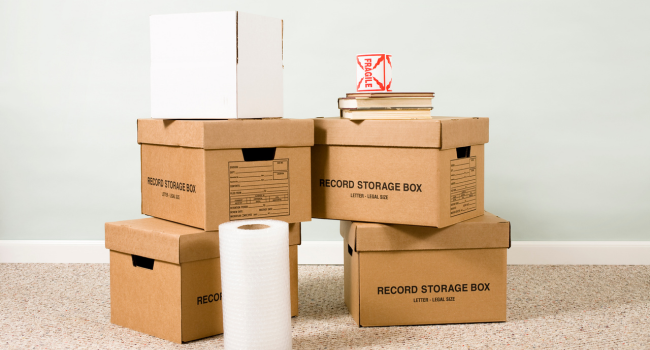
How to Prepare for Possession Day

For months, everything has been leading up to this day.

The showings. The paperwork. The inspections. The packing. And then, almost before you know it, possession day arrives.

It's one of the most exciting parts of buying or selling a home, but it's also one of the busiest. There are lawyers' appointments, moving trucks, keys to pick up, boxes everywhere, and about a hundred little details that suddenly feel important.

Whether you're handing over the keys or receiving them, here are a few things that can help the day go a little more smoothly.


If You're Buying...

The house may be new to you, but there are a few things you'll want to have organized before moving day arrives.

Start with the essentials. Make sure your home insurance is active before possession, and arrange for internet and cable to be transferred. It's much easier to make those phone calls a few weeks ahead than to wait two weeks for Wi-Fi after you've moved in.

You'll also want to start updating your address. Your driver's licence, banking information, insurance policies, employer, subscriptions, and mail forwarding are all easy to forget in the middle of a move, so getting a head start can save you a lot of time later.

And finally, pack a small "first-day" box. Things like toiletries, phone chargers, medications, coffee supplies, a change of clothes, and basic tools are much easier to access when they aren't buried in the fifteenth moving box labelled "Kitchen."


If You're Selling...

Possession day isn't just about moving out, it's about handing over a home to someone who's excited to begin their own chapter there.

Leaving the home clean is one of the kindest things you can do. It doesn't need to be professionally detailed (unless that's part of your agreement), but it should be in the condition you'd hope to find if you were moving in yourself.

It's also incredibly helpful to gather together the little things buyers might need but wouldn't know where to find:

  • Garage door remotes

  • Extra keys

  • Appliance manuals

  • Security codes

  • Mailbox keys

If you've kept leftover paint labelled by room, instruction manuals for appliances, or information about recent upgrades, consider leaving those behind too. They're small gestures, but buyers genuinely appreciate them.

Before you lock the door for the last time, do one final walk-through. Check every closet, cupboard, shelf, and storage space. It's amazing what gets forgotten on moving day.

It's Okay If the Day Doesn't Go Exactly as Planned

If there's one thing I've learned, it's that possession day rarely goes perfectly.

Maybe the moving truck is running behind. Maybe your lawyer appointment takes a little longer than expected. Maybe you can't find the coffee maker, even though you're positive you packed it in the "important" box.

It happens.

Whether you're buying or selling, try to give yourself a little grace. You're either saying goodbye to a place that's been home for years or stepping into one that's about to become yours.

The goal isn't for everything to go perfectly. It's simply to arrive at the end of the day with the keys where they belong, a roof over your head, and the excitement of a new chapter just beginning.

Read

Is It Better to List Now or Wait Until Fall?

By the middle of summer, I start hearing the same question from homeowners.

"Did I miss the spring market?"

It's a fair question. The spring rush has settled down, vacations are in full swing, and it can feel like everyone has hit pause for a few weeks. Naturally, many homeowners wonder if they should wait until September to list instead.

The answer? Maybe. But not necessarily for the reasons you think.

Because choosing when to list your home isn't about picking the "perfect" month. It's about understanding who your likely buyers are, what your goals are, and how your home fits into Winnipeg's market.


Summer Isn't as Quiet as People Think

There's a common misconception that real estate comes to a stop once summer arrives.

While activity does shift, buyers certainly don't disappear.

In Winnipeg, many families are actively trying to purchase during the summer so they can move, get settled, and have the kids ready before school starts. Relocation buyers are often working with summer timelines as well, and many first-time buyers use the warmer months to continue their search.

Yes, people go on vacation. But the buyers who are looking in July and August are often serious about making a move.


Less Competition Can Work in Your Favour

Spring tends to bring the largest number of new listings. By mid-to-late summer, that inventory often begins to slow.

That means your home may have fewer competing properties around it, allowing buyers to spend a little more time focusing on what makes your home stand out.

For some sellers, that can be a real advantage.


But Fall Has Its Own Appeal

September often brings another wave of activity. People are back into routines, vacations are over, and buyers who didn't find a home over the summer are still motivated.

It's a strong season in Winnipeg's market. But it's also when many homeowners who waited over the summer decide to list.

More buyers often means more competition too.

Timing Isn't Just About the Market

This is the part I think gets overlooked most often.

The best time to sell isn't always the month with the most market activity. More often than not, it's the time that makes the most sense for your life.

Maybe you're building a new home and waiting for it to be finished. Maybe you're hoping to get through one last summer of sports before the kids head back to school. Or perhaps you're retiring, relocating, or trying to coordinate the purchase of your next home. Whatever the reason, your personal timeline matters just as much as what's happening in the market.

A move that works with your life is almost always less stressful than trying to force one around a calendar. While market conditions are certainly important, they should support your plan, not dictate it.


The Better Question to Ask

Instead of asking: "Should I list now or wait until fall?"

Try asking: "If I decide to move this year, when do I want to be unpacked?"

Working backwards from your ideal possession date often gives a much clearer picture of when you should actually list. It's a simple shift in thinking, but it helps take a lot of the guesswork out of the decision.


The Best Time Is the Time You're Ready

There isn't one perfect week to list every home in Winnipeg. There are strong opportunities throughout the year, and every season brings its own advantages.

If you're wondering whether now is the right time to sell or if waiting until fall makes more sense, let's have that conversation.

We'll look at what's happening in your neighbourhood, what your goals are, and build a plan that works for your timeline, not just the market's.

Read

The Hidden Costs of Buying a Home

For most buyers, the down payment gets all the attention.

It makes sense, it's usually the biggest number you'll save for, the one you'll talk about with your mortgage broker, and the milestone that makes buying a home finally feel within reach.

But once your offer is accepted, there are a handful of other expenses that start showing up.

None of them are particularly surprising on their own. It's just that many buyers don't realize how quickly they can add up.

The good news? A little planning now can help you avoid a lot of stress later.


Closing Costs

Buying a home comes with expenses beyond the purchase price.

As a general rule of thumb, it's a good idea to budget up to 3% of your home's purchase price for closing costs. Depending on your situation, these can include legal fees, land transfer costs (where applicable), title insurance, home inspections, and adjustments for property taxes or utilities.

These costs are a normal part of buying a home, but they're often forgotten because they're not as visible as the down payment.


Property Taxes & Monthly Expenses

Your monthly housing costs don't stop at your mortgage payment.

Property taxes, home insurance, utilities, internet, and routine maintenance all become part of your regular budget. And if you're moving from a rental where many of those expenses were included, the adjustment can be bigger than expected.

Before buying, it's worth looking at the full monthly picture, not just what the mortgage payment will be.


Moving Isn't Free

Whether you're hiring professional movers or calling in family and friends, moving comes with costs.

Boxes, packing supplies, truck rentals, fuel, storage, takeout on moving day... it all adds up.

It's not usually enough to derail your budget, but it's worth planning for so it doesn't become an unexpected expense.

Plan for the Unexpected

No home is completely maintenance-free.

Maybe the hot water tank lasts another ten years. Maybe it doesn't.

Owning a home means accepting that eventually something will need attention. Having a small emergency fund set aside can make those moments feel like inconveniences instead of emergencies.

Even putting aside a little each month can give you peace of mind.


Leave Room to Enjoy Your New Home

One of the best pieces of advice I can give buyers is this:

Just because you're approved for a certain amount doesn't mean you have to spend it.

Buying at the very top of your budget can leave little room for life's surprises, or even the fun things, like furnishing your new home, taking a vacation, or simply enjoying your weekends without worrying about every dollar.

Sometimes buying comfortably is actually the smarter move. It gives you flexibility, confidence, and room to enjoy this new chapter instead of feeling stretched by it.


Looking Beyond the Purchase Price

Buying a home is about more than qualifying for a mortgage, it's about building a life that feels sustainable long after possession day.

When you plan for the costs that come after the purchase, you set yourself up to enjoy homeownership with fewer surprises and a lot more confidence.

If you're thinking about buying and want a realistic picture of what to budget for beyond the down payment, I'd be happy to walk you through the numbers and help you plan for the full cost of homeownership, not just the purchase price.

Read
Categories:   Winnipeg Real Estate
The trademarks REALTOR®, REALTORS®, and the REALTOR® logo are controlled by The Canadian Real Estate Association (CREA) and identify real estate professionals who are member’s of CREA. The trademarks MLS®, Multiple Listing Service® and the associated logos are owned by CREA and identify the quality of services provided by real estate professionals who are members of CREA. Used under license.