RSS

Moving in Winnipeg During The Summer: What You Need to Know

There’s a reason summer is one of the busiest moving seasons in Winnipeg.

The weather is easier. Kids are out of school. Possession dates line up nicely before fall routines kick back in. And after a long Manitoba winter, moving in July somehow feels a lot more manageable than hauling boxes through snowbanks in February.

But summer moves also come with their own kind of chaos. Because while everyone loves the idea of a summer move… so does everyone else.


Movers Book Up Faster Than People Expect

This catches people every single year. By late spring, moving companies in Winnipeg are already booking up quickly, especially for:

  • Month-end possessions

  • Long weekends

  • July & August dates

And if you wait too long, you may end up with limited availability, higher pricing, or less ideal moving times.

Even if your move isn’t fully confirmed yet, it’s worth researching movers early and having a short list ready to go.


Possession Days Can Feel Like Organized Chaos

On possession day, there’s usually a lot happening at once.

Keys changing hands. Trucks arriving. Lawyers calling. Utilities switching over. People cleaning, packing, unpacking, and trying to remember where they packed the coffee maker.

And summer heat can make all of it feel a little more intense.

If possible, try to leave yourself some overlap time between homes or a bit of flexibility in your schedule. Even a few extra hours can make moving day feel significantly less stressful.

Don’t Forget About Utilities

This is one of the easiest details to overlook during a move.

Before possession day, make sure you’ve arranged:

  • Hydro

  • Internet

  • Water

  • Gas

  • Mail forwarding

  • Address updates for insurance, banking, subscriptions, etc.

There’s nothing worse than arriving at your new home during a Winnipeg heat wave and realizing the internet appointment is still three weeks away.


Summer Heat Changes Everything

Moving is exhausting on its own. Add +30 weather and suddenly everyone is running on iced coffee and survival mode.

A few things that genuinely help:

  • Start early in the morning if possible

  • Keep water easily accessible

  • Pack a separate essentials bag

  • Keep fans or portable A/C units handy if you can

  • Don’t pack heat-sensitive items in a hot vehicle for long periods

And if you’re moving with pets or young kids, having a plan for where they’ll be during the busiest part of the move can make the day feel much smoother.


Timing Matters for Families

For many Winnipeg families, summer moving is all about one thing: getting settled before school starts again.

That means July and August can move quickly in the real estate market, especially for family homes in desirable school catchments.

If you're planning a move before September, the earlier you start planning, the better your options usually are, both for homes and for moving logistics.


Summer Moves Are Busy… But They’re Also Exciting

As stressful as moving can feel, there’s also something exciting about starting fresh during the summer months.

New neighbourhood walks. New patios nearby. Exploring a different part of the city before routines settle back in.

And while moving days rarely go perfectly, having a solid plan in place ahead of time makes a huge difference.

If you’re planning a summer move in Winnipeg and want help mapping out timelines, possession dates, or how to make the process feel less overwhelming, I’d be happy to help you put a plan together before the busy season ramps up even more.

Read

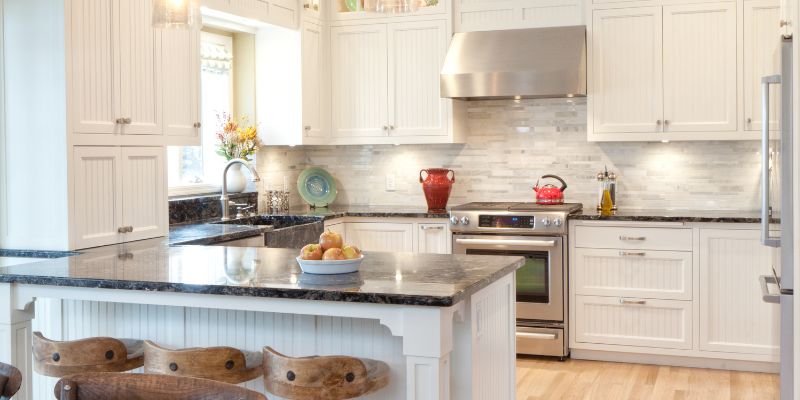
Should You Renovate Before Selling?

At some point before listing, almost every seller starts looking around their home differently.

The outdated light fixture suddenly stands out. The paint colour you stopped noticing years ago now feels questionable. And before long, the question shows up:

“Should we renovate before selling?”

The honest answer? Sometimes. But probably not as much as you think.

One of the biggest misconceptions sellers have is that they need to fully renovate their home before putting it on the market. In reality, most Winnipeg buyers are looking for homes that feel clean, cared for, and well maintained, not necessarily brand new.


What Actually Adds Value

The updates that usually make the biggest impact are the ones that improve how the home feels overall.

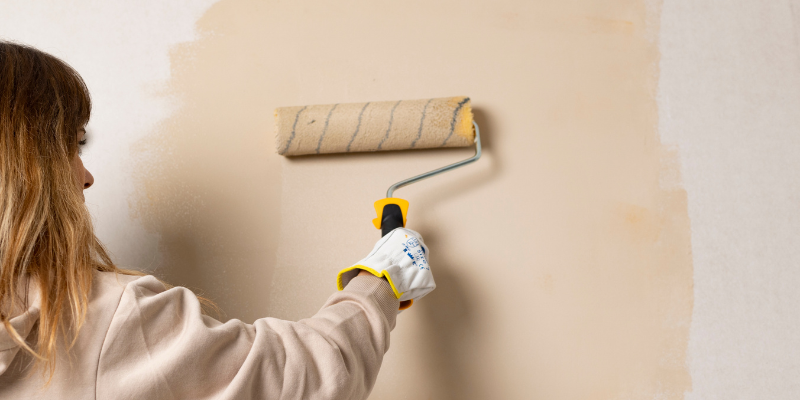
Fresh paint, updated lighting, modern hardware, landscaping, and flooring can completely change a buyer’s first impression without requiring a massive investment.

And in Winnipeg specifically, buyers tend to care just as much about practical updates like:

  • Windows

  • Roofing

  • Furnace and A/C

  • Foundation condition

These aren’t the flashy projects people post online, but they often matter more during inspections and negotiations.


Where Sellers Tend to Overspend

A lot of sellers assume they need a full kitchen or bathroom renovation before listing. But major renovations right before selling don’t always bring back the return people expect.

In many Winnipeg neighbourhoods, buyers are comfortable with slightly dated finishes if the home feels solid, functional, and priced appropriately.

What matters more is avoiding a home that feels neglected.

Cosmetic Updates Usually Go Further

Most of the time, smaller cosmetic updates offer the best return before selling.

Things like:

  • Decluttering

  • Deep cleaning

  • Neutral paint

  • Minor repairs

  • Simple curb appeal improvements

…can dramatically improve how a home shows without the stress and expense of major construction.

The goal is to help buyers picture themselves comfortably moving in.


Winnipeg Buyers Value Maintenance Over Perfection

Especially in established neighbourhoods like River Heights, St. Vital, Charleswood, and North Kildonan, buyers often expect some older finishes.

What they really want to see is a home that has been cared for over time.

A clean, well-maintained home with an older kitchen will almost always show better than a heavily renovated home where the basics have been ignored.


Sometimes “Good Enough” Really Is Good Enough

This is the part sellers struggle with most.

Not every project needs to happen before listing. Sometimes the smartest decision is focusing on a few strategic improvements instead of pouring money into renovations you may never fully get back.

Every home (and every neighbourhood) is different, which is why having a plan matters.

If you’re thinking about selling and aren’t sure which updates are actually worth tackling, I’d be happy to walk through your home with you and help prioritize what will make the biggest impact before you hit the market.

Read

How to Make the Most of Your Backyard Before Selling

Once the warm weather finally arrives in Winnipeg, outdoor spaces suddenly become some of the most-used parts of the home.

Morning coffee on the deck. Dinner outside after a long workday. Kids running through sprinklers. Late-night fires with friends while everyone pretends they’re not getting eaten alive by mosquitos.

After spending so much of the year indoors, buyers pay a lot more attention to outdoor spaces during the summer months than they do any other time of year. And when a backyard feels welcoming, usable, and well cared for, it sticks with people.

The good news? You don’t need a massive landscaping budget or a full backyard makeover to make an impact before selling.


Start With the Easy Wins

Most of the time, it’s the simple things that make the biggest difference.

Freshly cut grass, trimmed shrubs, swept walkways, and tidy garden beds instantly make a yard feel larger and more cared for. If you have kids or pets, try to keep toys, hoses, and outdoor clutter tucked away before photos or showings. Buyers don’t expect perfection, but they do notice when a space feels maintained versus neglected.

And if your lawn struggled after winter (which… welcome to Winnipeg), don’t panic. Even basic cleanup and a little fresh mulch can completely improve how the yard feels.


Create Spaces Buyers Can Picture Themselves Using

This is where outdoor staging matters.

Buyers aren’t just looking at your backyard, they’re imagining what their life could look like there. A clean patio setup, a cozy seating area, or even a few string lights can help people emotionally connect to the space in a way empty yards often don’t.

If you already have features like a deck, pergola, firepit area, or outdoor dining space, lean into them. Make them feel intentional and inviting instead of like an afterthought.

And don’t underestimate how powerful this can be during summer showings. In Winnipeg, people wait all year for patio season. When buyers can instantly picture themselves enjoying the space, it leaves a lasting impression.

Don’t Forget About Curb Appeal

Summer is when curb appeal really shines.

Colourful planters, healthy grass, trimmed trees, and a welcoming front entry can completely change the tone of a showing before buyers even step inside. This is especially true in established Winnipeg neighbourhoods where mature landscaping is a huge selling feature.

You don’t need elaborate gardens or expensive landscaping. Often, it’s consistency and care that stand out most.


Keep It Beautiful… But Manageable

One mistake sellers sometimes make is trying to over-impress buyers with high-maintenance outdoor spaces right before listing.

The reality is, most buyers want a yard they can enjoy without feeling overwhelmed by the upkeep.

A backyard that feels functional, private, and easy to maintain tends to appeal to more people than one that feels like a full-time summer project.


Selling the Lifestyle, Not Just the Yard

Summer buyers are emotional buyers.

They’re not just looking at square footage or fencing, they’re picturing barbecues, quiet mornings outside, kids playing in the yard, and evenings around the fire table.

That emotional connection matters.

And often, the homes buyers remember most are the ones where they could genuinely picture themselves living, both inside and out.

If you’re thinking about selling this summer and want honest advice on what outdoor updates are actually worth tackling before listing, I’d be happy to help you create a plan that makes sense for your home, timeline, and budget.

Read

What Buyers Regret Forgetting to Check During Summer Showings

There’s something about summer showings that makes homes feel extra appealing.

The yards are green, the patios are staged, the natural light is pouring in… and suddenly it’s easy to picture yourself living there.

And honestly? Summer is a great time to buy in Winnipeg.

But it’s also when buyers tend to overlook some of the practical things that really affect day-to-day living once the excitement wears off.


How the Home Handles Heat

A home can feel perfectly comfortable during a quick showing, but that doesn’t always tell the full story.

Pay attention to:

  • Whether certain rooms feel warmer than others

  • The age and condition of the A/C

  • How much direct sunlight the home gets

  • Whether upper floors hold heat

Large west-facing windows might look beautiful, but they can also turn a room into a sauna in July.


Yard Drainage After Rain

Summer storms are actually helpful when house hunting.

If you’re viewing homes after rainfall, look for:

  • Pooling water near the foundation

  • Soggy spots in the yard

  • Water collecting near window wells or patios

In Winnipeg, where drainage matters year-round, this is something worth paying attention to early.

What the Neighbourhood Sounds Like

Summer gives you the most honest version of a neighbourhood.

Windows are open. People are outside. Kids are playing. Dogs are barking.

Spend a few extra minutes outside the home and notice:

  • Traffic noise

  • Nearby businesses

  • Back lane activity

  • General neighbourhood feel

A quiet winter street can feel very different in July.


Shade, Privacy & Mosquitos

That beautiful backyard? Make sure it actually works for how you want to live.

Think about:

  • Shade during hot afternoons

  • Privacy from neighbours

  • Wind exposure

  • Proximity to standing water or dense trees (hello, Manitoba mosquitos)

A backyard can look amazing in photos but feel completely different in real life.


Don’t Let the Season Distract You

Summer homes show beautifully, which is exactly why it’s important to slow down a little during showings.

Look beyond the staging. Notice how the home functions. Ask questions. Pay attention to the practical details now, because they’re often the things buyers mention later.

If you’re buying this summer, I’d be happy to help you look beyond the surface and spot the things that matter long after possession day.

Read

Is It Better to Buy New… or Buy a Resale? (What Buyers in Winnipeg Should Know)

You walk through a brand-new show home and everything feels easy. Clean lines, bright spaces, and that “no one has lived here yet” feeling. It’s polished. It’s simple. It’s… tempting.

Then a few days later, you step into a resale home. Mature trees, an established neighbourhood, maybe a bit more character and personality.

And suddenly, you’re torn. Because both feel right, just in completely different ways.

If you’ve been going back and forth between buying new or buying resale, you’re not alone. It’s one of the most common decisions buyers face in Winnipeg’s market. And the truth is, there isn’t a better option, just the one that fits you.


What “New Build” Really Means in Winnipeg

Buying new in Winnipeg usually means stepping into a newer development like Bridgwater, Sage Creek, Bonavista, or Devonshire Park, or even into surrounding communities just outside the city.

Sometimes the home is move-in ready. Other times it’s still under construction, or hasn’t even been started yet. That flexibility is part of what draws people in.

There’s a certain appeal to starting fresh. You’re not inheriting someone else’s design choices or maintenance history. Everything is new, modern, and typically designed with today’s lifestyles in mind.

It also tends to feel more predictable with newer systems, better energy efficiency (which matters here), and fewer immediate repairs.

But that simplicity can come with a few things to think about. Landscaping and basements are often unfinished, and key items like appliances, window coverings, and air conditioning aren’t always included. Additional costs can add up quickly, and timelines don’t always go exactly as planned. What starts as a base price can shift once upgrades and finishing touches are factored in.

There’s also a common assumption that buying new will save money on upkeep or future upgrades compared to an older home. While that can be true in some cases, it doesn’t always account for the upfront costs of getting a new build fully complete and move-in ready.


The Appeal of Resale Homes

Resale homes offer something you can’t really recreate, a sense of place that’s already been established.

In Winnipeg, that often means mature trees, larger lots, and neighbourhoods that are fully developed with schools, parks, and amenities already in place. Areas like River Heights, St. Vital, Charleswood, St. James, and East or North Kildonan all fall into this category.

There’s also a level of clarity that comes with resale. What you see is usually much closer to what you get, whether that’s recent upgrades, existing layouts, or the overall feel of the home.

Of course, resale homes come with their own considerations. Systems may be older, layouts might not feel as open, and some level of updating or maintenance is often part of the picture. For some buyers, that’s exciting. For others, it feels like more than they want to take on.

The Cost Conversation (Because It’s Not Always What You Think)

A lot of buyers assume new builds are more expensive and resale homes are more affordable.

But in Winnipeg, it’s not always that straightforward.

New builds can start at a lower base price, but increase once upgrades, landscaping, window coverings, appliances, and other finishing costs are added in. Resale homes may have a higher purchase price upfront, but often include those elements already.

That’s why it helps to look beyond the sticker price and think about the full picture - what it will cost to make the home feel complete, what ongoing maintenance might look like, and how it fits into your long-term plans.


What I See Most Often With Buyers

Very few buyers stay set on one option.

Someone starts out convinced they want new… and then falls in love with a character home. Or they’re focused on resale… and realize how appealing the simplicity of a new build can be.

It shifts.

Because once you walk through both, you stop thinking in categories and start paying attention to what actually feels right.


Finding the Right Fit for You

New builds tend to appeal to buyers looking for a fresh start, modern design, and lower maintenance. Resale homes offer established neighbourhoods, character, and a more immediate sense of what life there will feel like.

The right choice comes down to your lifestyle, your timeline, your budget, and how much flexibility you want in the process.

This isn’t a decision you need to rush, and it’s not something you have to figure out before you start looking. Seeing both, walking through them, and experiencing them firsthand is what brings clarity.

Because at the end of the day, it’s not really about new versus resale, it’s about finding the home that fits your next chapter.

If you’re weighing your options and want to explore what’s available here in Winnipeg, I’m always happy to walk you through it!

Read

Styles of Homes You’ll Find in Winnipeg

If you’ve ever spent an afternoon driving through Winnipeg neighbourhoods, you’ve probably noticed something pretty quickly… no two areas feel exactly the same.

One street might be lined with charming character homes and big front porches, while the next is full of mid-century bungalows. Turn a corner and you’re suddenly in a newer development with modern two-storeys and attached garages.

And if you’re buying, it can feel like a lot to take in.

Because it’s not just about choosing a home, you’re also choosing a style, a layout, and in many ways, a way of living.

Let’s walk through the most common home styles you’ll find in Winnipeg, and what they actually feel like to live in day to day.


The Bungalow (Winnipeg’s Classic)

If there’s one home style Winnipeg is known for, it’s the bungalow.

These homes offer single-level living, usually with a full basement, and a layout that just makes sense. You’ll find them throughout established neighbourhoods like River Heights, St. James, Charleswood, and East or North Kildonan.

What draws people in is the simplicity. Everything you need is on one floor, which makes them especially appealing for downsizers or anyone thinking long-term. And that basement? It often adds valuable extra space, whether that’s a rec room, bedrooms, or a home office.

That said, some bungalows can feel a bit tighter on the main level, and depending on the age of the home, updates like electrical or insulation may be on the list.

But more often than not, bungalows are the style people didn’t expect to love.


The Two-Storey (Space to Grow)

Two-storey homes tend to be a go-to for families, and it’s easy to see why.

They naturally separate living and sleeping spaces, which creates a bit more structure in day-to-day life. You’ll see a lot of these in newer communities like Bridgwater, Sage Creek, South Pointe, and Whyte Ridge.

They offer more square footage overall, with bedrooms tucked upstairs and plenty of room to grow into. For many buyers, that layout just works.

Of course, stairs are something to think about long-term, and temperature can vary a bit between levels. But if you’re looking for space and flexibility, this style checks a lot of boxes.


The Cab-Over (Very Winnipeg)

If you’re not from Winnipeg originally, this one might feel a little unique.

Cab-over homes are a modified bi-level, with the primary bedroom tucked above the garage. It creates a private upper-level retreat, separate from the rest of the home. You’ll find them in areas like the Maples, Amber Trails, Garden City, and other northwest neighbourhoods.

They tend to offer open-concept main floors and are often more affordable than a traditional two-storey, which makes them appealing for families. The trade-off is the layout, with multiple levels and stairs, it can feel a bit segmented depending on your preferences.

Still, for the right buyer, they’re a very functional option.

The Bi-Level (Practical and Bright)

Bi-level homes are another common sight across Winnipeg.

With a split entry and stairs leading both up and down, they make efficient use of space and often feel brighter than expected, especially with larger basement windows. You’ll find them in areas like Transcona, St. Vital, Fort Garry, and many suburban neighbourhoods.

They’re often a more accessible price point, which makes them a great option for first-time buyers. The layout isn’t for everyone, and entryways can feel a bit tight, but overall, they offer solid value.


The Split-Level (A Bit of Everything)

Split-level homes had their moment in the 70s and 80s, and they’re still very much part of Winnipeg’s housing landscape.

Instead of full floors, they’re built with staggered levels, creating defined spaces without completely closing things off. You’ll see them in neighbourhoods like St. Vital, Fort Richmond, and Garden City.

They can feel unique and functional, especially for families who like a bit of separation between spaces. But with that comes more level changes, and depending on updates, some can feel a little dated.

They’re not for everyone, but when done well, they really work.


The Character Home (Charm You Can’t Replicate)

And then there are the homes people fall in love with instantly.

Original hardwood floors, detailed trim, front porches, the kind of features that newer homes just don’t replicate. Winnipeg has some incredible character homes in Wolseley, West Broadway, Crescentwood, and St. Boniface.

These homes are about personality and history. They’re often in walkable, established neighbourhoods with mature trees and a strong sense of community.

They do come with ongoing maintenance and older systems, but for many buyers, that’s part of the charm. These homes aren’t about perfection, they’re about how they feel.


Finding What Actually Fits You

Winnipeg really does have a little bit of everything - from infill homes in older neighbourhoods to condos, townhomes, luxury properties, and even acreages just outside the city.

But the most interesting part of the process? Watching priorities shift.

A lot of buyers come in with a clear idea of what they want - no stairs, newer only, or “definitely not that style.” And then we start walking through homes, and things change.

You start to notice what feels comfortable, what feels too small, what feels like too much work, and what actually fits your day-to-day life.

You don’t need to have it all figured out before you start. Staying open, asking questions, and experiencing different styles is what helps you land on the right fit. Because at the end of the day, it’s not just about the style of the home, it’s about how it works for you.

If you’re starting to explore what’s out there and want help narrowing things down, I’m always happy to walk you through it. No pressure, just a chance to figure out what makes sense for you.

Read

What Actually Happens on Offer Day

Offer day always sounds a little more dramatic than it needs to be… but if you’ve ever been part of one (or you’re about to be), you know it can feel like a lot.

There’s usually a set deadline, other buyers in the mix, and a fair bit of waiting and anticipation. It’s the part of the process where questions tend to come up quickly — how does this actually work, what should you expect, and what happens if there are multiple offers?

Let’s walk through it in a way that feels simple, honest, and grounded in how things actually play out here in Winnipeg.


What Is “Offer Day”?

In Winnipeg, when a home is expected to attract strong interest, the seller may choose to set an “offer date.”

That means:

  • Showings happen for a set number of days

  • Buyers view the home and decide if they’re interested

  • All offers are reviewed at a specific time and date

It’s designed to give everyone a fair chance to see the home, and to allow the seller to review all interest at once.

Not every home has an offer date, but when it does, it usually means demand is expected to be high.


What Multiple Offers Look Like

On offer day, buyers submit their offers through their Realtors by a set deadline, and from there, the seller and their agent review everything that’s come in.

In Winnipeg, the process is fairly structured, but not always predictable.

Sometimes a seller will accept the strongest offer right away. Other times, they may choose to work with one buyer to improve their terms, or ask multiple buyers to revise their offers and come back stronger. And occasionally, they may decide not to accept any of the offers at all.

It’s also important to know that the highest price doesn’t always win. Conditions, timelines, and overall terms can carry just as much weight, and that’s often the part that catches people off guard.


What Buyers Can Expect Walking Into It

If you’re heading into offer day as a buyer, the biggest thing to prepare for is the emotional side of it.

There’s excitement, especially if you’ve found a home you really love. There’s pressure, knowing other buyers are likely interested. And there’s a bit of uncertainty, because you won’t have an answer right away.

On the practical side, being prepared makes a big difference. That means having a clear offer strategy, understanding your budget, getting your pre-approval in place, and having quick access to your deposit.

But just as important is your mindset.

Not every offer will go your way, and that’s okay. The goal isn’t to “win” at any cost. It’s to secure the right home, with terms that make sense for you.

What Sellers Should Prepare For

On the seller's side, offer day can feel just as intense.

You’re often reviewing multiple offers in a short window of time, trying to weigh not just price, but also conditions, closing dates, and the overall strength of each buyer. It can feel exciting… and a little overwhelming all at once.

What makes the biggest difference here is preparation.

Going into offer day with a clear understanding of your priorities (whether that’s top dollar, flexibility, or timing) helps guide those decisions when things start moving quickly. It’s also helpful to know what strong versus weaker terms look like, so you’re not sorting that out in the moment.

Because once the offers are in, things tend to move fast. And having a plan in place makes the whole process feel a lot more manageable.


Common Mistakes Buyers & Sellers Make

This is where things can sometimes go sideways, and where a little awareness goes a long way.

On both sides, it’s easy to get caught up in the moment. Buyers might feel pressure to “win” and end up offering more than they’re comfortable with, or dropping important conditions without fully understanding the risk. Sometimes it’s as simple as not being fully prepared financially, or second-guessing decisions after the fact.

Sellers feel that pressure too, especially when multiple offers are on the table. It can be tempting to focus only on price, but that’s not always the full picture. Conditions, timelines, and overall structure matter just as much. Rushing into a decision or assuming the highest offer is automatically the best one can lead to missed opportunities.

The key on both sides is balance.

Be competitive, but be thoughtful. The strongest offer, or the best decision, is the one that works overall, not just on paper.


The Part No One Talks About Enough

Offer day isn’t just a transaction — it’s a moment.

For buyers, it represents the possibility of something new. For sellers, it’s often the closing of a chapter. There’s anticipation, a mix of emotions, and sometimes a bit of uncertainty along the way.

Whether it brings excitement or a bit of disappointment, it’s all part of the process — and completely normal.


If You’re Heading Into Offer Day Soon…

Heading into offer day, the biggest advantage you can give yourself is preparation, not just financially, but mentally.

Understanding how the process works, knowing your limits, and trusting the plan can make all the difference. What can feel intense from the outside becomes much more manageable when you know what to expect.

At the end of the day, it’s not about guessing or reacting in the moment. It’s about having a strategy and staying grounded through it. And if things don’t go your way, that’s okay! There will always be another opportunity.

If you’re planning to buy or sell this spring and want a clear picture of how offer day would look in your situation, I’m always happy to walk you through it, no pressure, just a plan so you feel confident going in.

Read

A Pre-Approval Isn’t Financing (And Why That Matters More Than You Think)

There’s a moment when things start to feel real. You’ve been thinking about buying for a while. Maybe casually browsing listings. Maybe talking about it more seriously lately.

And then you take the first official step, you get pre-approved.

It feels good. You have a number. You have a direction. It starts to feel like, okay… this is happening.

And for a lot of buyers, that’s where the confidence kicks in.

But here’s the part that often gets missed:

A pre-approval is a great first step.
It’s just not the final step.


What a Pre-Approval & Financing Actually Means

A pre-approval is essentially a snapshot.

It’s based on:

  • The information you provide

  • Your current income

  • Your credit profile

  • Your existing debt

It gives you an estimate of what you should be able to afford, and it helps guide your home search. It’s incredibly useful, but it’s not a guarantee.

It also comes with another benefit many buyers don’t realize: you can lock in an interest rate for 90-120 days while you shop.

Financing happens after you’ve found a home and submitted an offer.

At that point, the lender looks deeper. They review:

  • The property itself

  • The purchase price vs appraised value

  • Your updated financial situation

  • Employment verification

  • Documentation in more detail

This is where everything is finalized, and where the deal becomes real.


Why This Gap Matters (Especially in Winnipeg’s Market)

In a competitive market (like we often see in Winnipeg during spring) things can move quickly. Homes can receive multiple offers and decisions happen fast.

Because of that, it’s also very common for listing agents to require a copy of your pre-approval to be submitted with your offer. It shows the seller you’re serious, prepared, and financially qualified, which can make a difference when they’re choosing between buyers.

With the added pressure and momentum, it’s easy for buyers to assume that once they’re pre-approved, that everything financially is locked in. 

Where this becomes important is understanding that your financing is still being fully reviewed later on. Changes to your financial picture (even ones that seem minor) can influence how that final approval comes together. 

The Things That Can Impact Financing & What You Can Do to Protect Yourself

This is the part that tends to surprise people.

Even after you’ve been pre-approved, there are still a few things that can impact your financing: job change, taking on new debt (car, credit card, line of credit), large unexplained deposits, shifts in interest rates, or even the property not appraising at the purchase price.

None of these are guaranteed issues, but they’re important to be aware of.

The good news is, this is all very manageable with a bit of intention.

Staying consistent with your finances, avoiding large purchases before closing, and keeping communication open with your mortgage professional can go a long way. If something changes or you’re unsure about a decision, it’s always better to ask.

And most importantly, build your plan around what feels comfortable for you, not just the maximum number you’ve been approved for.


What This Means on Offer Day

When you’re making an offer, especially in a competitive situation, your financing matters.

Some buyers:

  • Include a financing condition

  • Some waive it (depending on risk tolerance and preparation)

There’s no one right answer. But understanding the difference between pre-approval and full financing helps you make that decision clearly, and not emotionally.


Understanding the Process from Start to Finish

The good news? This isn’t something to be nervous about, it’s just something to understand.

Most buyers move from pre-approval to financing without issues, especially when they’re working with the right people and keeping things consistent along the way. Buying a home is a series of steps, not just one. Pre-approval gets things moving, financing gets you across the finish line, and understanding the difference between the two helps avoid last-minute surprises.

Getting pre-approved early still gives you clarity, direction, and confidence — just keep in mind what it represents, and what it doesn’t.

And whenever something feels unclear, it’s always worth asking the question sooner rather than later.

Getting the right guidance from the start can make the entire process feel a lot more straightforward. I’m always happy to connect you with trusted local mortgage professionals and walk you through what it actually looks like here in Winnipeg.

Read

Prepping Your Home to Sell (Without Overwhelming Yourself)

You don’t usually wake up one day with your home perfectly ready to list.

It’s more like… you start noticing things.

That scuff on the wall you’ve ignored for years.
The closet that’s a little too full.
The room you’ve been meaning to “get to” but never quite have.

And then the thought lands: “If we were to sell… where would we even start?”

If that’s where you’re at right now, you’re in the right place. Because getting your home ready to sell isn’t about doing everything at once, and it’s definitely not about making it perfect.

It’s about making it feel ready.


Start With How Your Home Feels (Not Just How It Looks)

Before we get into checklists and projects, it helps to take a step back.

Buyers aren’t walking through your home thinking about your life in it. They’re quietly asking themselves: “Could I see myself here?”

That’s why prepping your home isn’t about removing personality, it’s about creating space for someone else to imagine theirs.

And often, that starts with the simplest things.


Decluttering Is the First (and Most Important) Step

If there’s one thing that makes the biggest difference, it’s this.

Less stuff = more space.

And more space is what buyers feel.

You don’t need to strip your home down, but you do want to:

  • Clear off surfaces

  • Edit down closets

  • Remove anything overly personal

  • Open up rooms so they feel easy to move through

A good rule of thumb? If you’re planning to move anyway… you might as well start now.


Then Move Into the “Little Fixes”

Once the home feels lighter, the next step is addressing the small things buyers notice right away.

You know the ones:

  • Loose handles

  • Scuffed baseboards

  • Dripping taps

  • Burnt-out lightbulbs

  • That door that doesn’t quite close properly

Individually, they don’t seem like much. But together, they shape how your home is perceived.

A well-maintained home feels cared for, and that confidence matters to buyers.


A Fresh Coat of Paint Goes Further Than You Think

You don’t need to renovate your entire home before selling.

But paint? Paint is powerful.

Neutral, fresh walls can:

  • Brighten a space

  • Make rooms feel larger

  • Help buyers focus on the home itself (not the colour choices)

In Winnipeg, where we spend a lot of time indoors during winter months, lighter tones can make a noticeable difference in how a home shows.

Don’t Forget About Curb Appeal (Even in Early Spring)

First impressions don’t start inside. They start the moment someone pulls up.

Even in that in-between Winnipeg season, when the snow is melting and everything feels a bit… messy, small efforts go a long way.

Think:

  • Clearing walkways

  • Tidying up the yard

  • Adding a simple welcome mat

  • Making sure the front entry feels clean and inviting

It doesn’t need to be perfect. It just needs to feel cared for.


Think Ahead to Showings

Once your home hits the market, you want it to be easy for buyers to say yes to seeing it.

That means:

  • Keeping things consistently tidy

  • Having a quick “reset routine” before showings

  • Making the home feel warm and welcoming

Soft lighting.
Comfortable temperature.
A clean, fresh space.

It’s less about staging perfection, and more about creating a feeling.


You Don’t Have to Do This Alone

This is the part that many homeowners don’t realize.

You don’t have to figure all of this out by yourself.

When we work together, I help walk through your home with you and point out:

  • What’s worth doing

  • What’s not necessary

  • Where you’ll see the biggest return

  • How to prioritize your time and budget

Because not every update adds value, and the goal isn’t to overdo it. It’s to be strategic.


If You’re Thinking About Selling This Year…

The best time to start prepping isn’t the week before you list, it’s now. 

Even small steps taken early can make the entire process feel smoother and often lead to better results when your home hits the market.

Prepping your home to sell isn’t about creating something unrecognizable. It’s about presenting what you already have in the best possible light. A little less clutter, a little more intention, a bit of care in the details, and suddenly, your home feels ready for its next chapter.

And if you’re in that “maybe this year” stage, you don’t have to figure it all out on your own. I’m always happy to walk through your home with you and put together a simple, personalized prep plan that’s clear and full of honest advice on what will actually make a difference.

Read

Condos, Townhomes, or Detached Homes… How Do You Actually Choose?

You walk into the first showing and think, this could work.

It’s clean, updated, and low maintenance.
No yard. No shovelling. No stress.

Then you walk into the second one. More space. Stairs. A small backyard. Feels a little more like a “home.”

And then the third. A detached house. Quiet street. No shared walls. You can already picture where the couch would go.

And just like that… what felt simple suddenly isn’t.

Because now you’re not just deciding if you want to buy. You’re deciding how you want to live.


It’s Not Just a Property Type, It’s a Lifestyle Choice

One of the biggest shifts that happens when buyers start touring homes is this:

What you thought you wanted… and what actually feels right… aren’t always the same thing. And that’s normal.

Because choosing between a condo, townhome, or detached home isn’t just about price or square footage.

It’s about:

  • How much time you want to spend maintaining your home

  • How much privacy you need

  • How important location is to your daily life

  • And how you want your space to function day-to-day

In Winnipeg, you have access to all three, often within the same price ranges, depending on the area.

So the question becomes less about what’s better… and more about what fits.


Condo Living: Easy, Efficient, and Low Maintenance

For many buyers, condos feel like a breath of fresh air. Everything is simpler.

You don’t have to think about snow removal, lawn care, or exterior maintenance. It’s all taken care of.

In Winnipeg, condos are especially popular in areas like downtown, St. Boniface, Osborne Village, and Tuxedo, places where walkability and access to amenities matter.

They’re often a great fit if:

  • You want a lock-and-leave lifestyle

  • You travel often

  • You’re buying your first home and want to keep things manageable

  • You’re downsizing and want less responsibility

But there’s a trade-off.

Condo living means shared spaces, monthly fees, and rules set by a condo board.

For some people, that structure feels easy.

For others, it feels limiting.


Townhomes: A Little More Room to Breathe

Townhouses tend to catch people by surprise (in a good way).

They offer a bit more of everything:
More space
More separation
Often multiple levels
Sometimes a small yard or private entrance

In newer Winnipeg communities like Sage Creek, Bridgwater, and Bonavista, townhomes are a really popular middle ground.

They work well if you:

  • Want more space than a condo

  • Don’t want the full responsibility of a detached home

  • Like the idea of a newer build with a modern layout

Some have condo fees. Some don’t.

So it’s always worth understanding what’s included. Things like snow removal, landscaping, and exterior upkeep can vary quite a bit.


Detached Homes: Full Ownership, Full Responsibility

Then there’s the classic detached home.

No shared walls. No condo board. No restrictions on how you use your space.

Just yours.

In Winnipeg, detached homes range from character properties in River Heights and Wolseley to newer builds in Bridgwater, Sage Creek, and surrounding communities.

They offer:
Privacy
Flexibility
Space to grow

But they also come with everything that goes along with it.

Snow shovelling in January.
Yard work in the summer.
Maintenance that’s fully your responsibility.

For some buyers, that’s exactly what they want. For others, it feels like more than they need right now.

The Cost Conversation (Because It’s Not Always What You Think)

This is where a lot of buyers get stuck.

It’s easy to assume:
Condos = cheaper
Houses = more expensive

But in reality, it’s more nuanced.

Condos and some townhomes come with additional monthly fees. Detached homes don’t, but you handle maintenance yourself.

So it becomes a question of:
Do you prefer predictable monthly costs…
Or more control over when and how you spend money on upkeep?


What I See All the Time with Buyers

A lot of buyers come in with a clear idea:

“I want a house.”
“I’m only looking at condos.”

And then we start touring, and things shift.

Because once you physically walk through different types of homes, your priorities become clearer.

You start to notice:
What feels comfortable
What feels too small
What feels like too much work
What actually fits your life

And that clarity is what makes the decision easier.


If You’re Trying to Figure It Out Right Now…

You don’t need to have everything figured out before you start looking, you really don’t. In fact, the process itself is what helps bring clarity.

Start by thinking about your day-to-day life:
How much maintenance do you realistically want?
How important is privacy?
Do you value location over space?
Are you looking for something long-term… or more of a stepping stone?

Those answers will guide you far more than trying to choose the “right” type of home upfront.

Condos, townhomes, and detached homes all have their place in Winnipeg’s market. The goal isn’t to pick what sounds best on paper, it’s to find what actually works for you. Your lifestyle, your budget, and where you are right now all play a role. Because the right home doesn’t just look good, it feels right when you walk through the door.

And if you’re still in that “figuring it out” stage, you don’t have to do it alone. The best conversations often happen early, when you’re just exploring timelines and possibilities. Whether you’re buying your first home, moving up, downsizing, or relocating to Winnipeg, I’m always happy to talk it through (no pressure), just a chance to ask questions, look at what’s out there, and see what direction makes the most sense for you.

Read

How to Choose a Realtor (Without Overthinking It)

It usually starts quietly.

You know you’re going to move at some point. Maybe not tomorrow, but soon enough that it’s starting to feel real.

And then the question pops up: “How do I even choose a Realtor?”

Because suddenly it’s not just about finding someone with a license. It’s about finding the right person, someone you trust with one of the biggest decisions you’ll make.

And if we’re being honest… most people don’t actually know what to look for.

So they ask friends. They read a few reviews. They follow a few people online. And then they still feel unsure.

Let’s make this simpler.


It’s Not About Finding “The Best Realtor”

There’s no universal “best.” There’s just the right fit for you.

Because the truth is, real estate is personal. The way someone communicates, the way they handle stress, the way they guide you through decisions, it all matters.

You’re not just hiring someone to unlock doors. You’re choosing someone to walk with you through the process.


Pay Attention to How They Communicate

This is a big one.

Do they:

  • Respond in a way that feels clear and calm?

  • Explain things in a way you actually understand?

  • Make you feel comfortable asking questions?

Or do you feel rushed, confused, or like you’re supposed to already know everything?

Because whether you’re buying, selling, downsizing, or relocating to Winnipeg, there will be moments where you need guidance.

And the way someone communicates will shape your entire experience.


Local Knowledge Matters (Especially in Winnipeg)

Winnipeg isn’t one-size-fits-all.

Neighbourhoods can feel completely different just a few streets apart.

Pricing can vary block to block.
School catchments matter.
Community feel matters.
Even commute patterns matter.

A good Realtor won’t just send you listings.

They’ll help you understand:

  • Which areas fit your lifestyle

  • What homes are realistically worth

  • What’s happening right now in the market

  • What to watch for (and what not to worry about)

That kind of insight doesn’t come from Google. It comes from being here, working in it, every day.

Look for Someone Who Feels Steady

Real estate can feel emotional.

There are moments of excitement, moments of uncertainty, and sometimes moments where things don’t go exactly as planned.

The right Realtor doesn’t add to that stress. They help steady it.

They:

  • Keep things in perspective

  • Help you think clearly when emotions run high

  • Offer honest advice (even when it’s not what you expected)

  • Guide you without pressure

You want someone who feels calm, especially when things aren’t.


Reviews Are Helpful… But Go a Step Further

Yes, reviews matter. They can give you a sense of how someone works and how past clients felt about their experience.

But if you can, go one step further.

Talk to someone who has worked with them.
Ask what the process actually felt like.
Ask what surprised them.

Because the feeling of working with someone matters just as much as the results.


Trust Your Gut (It’s Usually Right)

This might be the simplest advice, and the most overlooked.

After a conversation, ask yourself:

Did I feel comfortable?
Did I feel heard?
Did I feel pressured?
Did I feel confident?

You’ll know pretty quickly.

The right fit doesn’t usually feel complicated.


If You’re Starting to Think About Moving…

You don’t need to have everything figured out before reaching out, those early conversations, when you’re still exploring timelines and possibilities, are often the most helpful. 

Whether you’re buying your first home, moving up, downsizing, or relocating to Winnipeg, the goal isn’t to rush, it’s to give you clarity.

Choosing a Realtor isn’t about picking a name off a list; it’s about finding someone who understands your goals, communicates clearly, and helps you feel steady through the process. 

If you’re starting to think about your next move (even if it’s just a “maybe”), I’m always happy to chat (no pressure), just a chance to talk things through and see if it feels like the right fit.

Read

Should You Buy First or Sell First?

Most people don’t start this process by calling a Realtor.

It usually starts with a conversation at the kitchen table.
Or a late-night scroll through listings.
Or that quiet thought that pops up out of nowhere:

“I wonder if we should move…”

And then pretty quickly, you hit the question that stops a lot of people in their tracks:

Do we buy first… or sell first?

If you’re in that spot right now, thinking about your next move but unsure which step comes first, you’re not alone. It’s one of the most common (and most important) conversations we have in real estate.

The good news? There’s no one-size-fits-all answer.
But there is a right answer for you.


Let’s Start With the Honest Truth

Buying and selling at the same time is a bit of a dance.

You’re balancing:

  • Timing

  • Finances

  • Market conditions

  • Stress levels (let’s be real)

And in a market like Winnipeg, where things can move quickly in spring but feel more balanced at other times, your strategy matters.

So instead of asking what’s better, the better question is:

What feels more comfortable for your situation?


The Case for Selling First

For many homeowners, selling first simply feels… lighter.

You know exactly what your home sold for.
You know exactly what you’re working with.
And you can shop for your next home with confidence.

In Winnipeg’s 2026 market, this approach works especially well if:

  • You want to avoid financial risk

  • You’re working within a specific budget

  • You’d feel stressed carrying two properties

  • You’re okay with a short-term rental or flexible move

The trade-off?

You may need a temporary place to stay or a flexible possession date if you don’t find your next home right away.

But emotionally, many sellers say this route helps them sleep better at night.


The Case for Buying First

Buying first can feel exciting, and in some cases, it’s absolutely the right move.

It allows you to:

  • Take your time finding the right home

  • Avoid moving twice

  • Transition directly from one home to the next

This can work well if:

  • You have strong financial flexibility

  • You qualify to carry two properties (even temporarily)

  • You’ve found a home you really don’t want to lose

  • Inventory is low in the type of home you’re looking for

But here’s the honest part:

Buying first comes with more pressure on the selling side.

Once you’ve purchased, your timeline is set, and your current home needs to sell within that window.

What the Winnipeg Market Means for Your Decision

In Winnipeg and surrounding areas, timing plays a big role.

Spring markets (like the one we’re heading into) tend to favour sellers:

  • More buyers

  • Faster sales

  • Stronger competition

Which can make selling first feel safer.

But inventory also matters.

If you’re looking for something very specific (a bungalow in a certain neighbourhood, a downsizing condo, or a home in a particular school catchment) buying first might give you more control.

This is where local strategy matters more than general advice.


There’s Also a Third Option (That People Forget About)

Sometimes, it’s not strictly one or the other.

There are ways to:

  • Negotiate longer possession dates

  • Align closing timelines

  • Use bridge financing (in some cases)

  • Structure offers with flexibility

It doesn’t have to feel like jumping from one cliff to another.

With the right plan, it can feel coordinated.


If You’re Starting to Think About Your Next Move…

This is the kind of conversation that’s best had early, before you’re feeling rushed or under pressure.

We can walk through:

  • What your home could sell for in today’s Winnipeg market

  • What your next purchase might look like

  • The timing options available to you

  • And what scenario would feel the most comfortable

I’ll help you map out a plan that makes sense for your situation, your timeline, and your comfort level… so you can move forward feeling confident, not uncertain.

Read
The trademarks REALTOR®, REALTORS®, and the REALTOR® logo are controlled by The Canadian Real Estate Association (CREA) and identify real estate professionals who are member’s of CREA. The trademarks MLS®, Multiple Listing Service® and the associated logos are owned by CREA and identify the quality of services provided by real estate professionals who are members of CREA. Used under license.